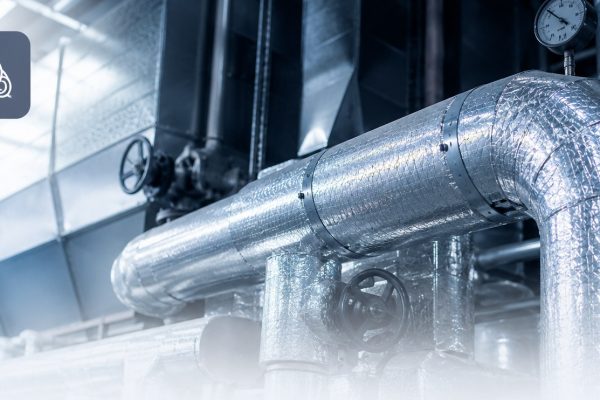
“Ventilation” and “dust extraction” are often used interchangeably – and in vain. These are different systems with different tasks. Confusion leads to the fact that powerful ventilation is installed in the workshop, but dust still hangs in the air. Let’s look at the difference in simple words.
What is ventilation
Ventilation isair exchange throughout the room. It supplies fresh air and removes polluted air, diluting the concentration of dust, gases, heat and moisture to normal levels throughout the entire workshop.
Ventilation is responsible for the general microclimate: temperature, humidity, air freshness. But she is already fighting pollutionafter how it spread throughout the room.
What is dust extraction
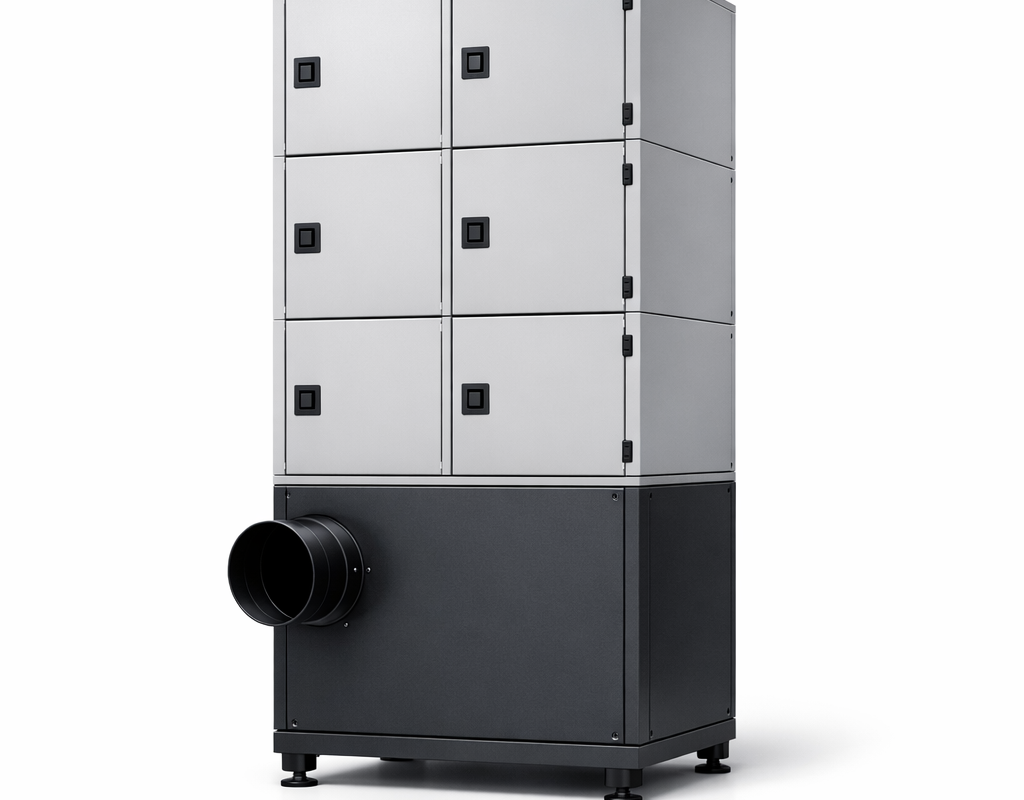
Dust extraction iscapture of dust and harmful substances directly at the point of their formation, before they get into the air of the workshop. A shelter or local suction is placed above the machine, crusher, or pouring point; the dust is sucked into the air duct and goes to the filter.
Simply put: ventilation dilutes what has already scattered, and dust extraction prevents dust from scattering at all. Therefore, dust extraction is more effective and economical where there are point sources of dust.
Key differences
| Parameter | Ventilation | Dust extraction |
|---|---|---|
| Task | Air exchange throughout the room | Capturing dust at the source |
| Principle | Dilution of contaminants | Localization and removal |
| Where is it needed? | Offices, workshops, warehouses | Machine tools, crushers, welding, filling |
| Result | Comfortable microclimate | Clean air and equipment protection |
When is suction needed and when is ventilation needed?
Dust extraction is needed, if there are point sources of dust and harmful substances in production: woodworking and metalworking machines, welding stations, ore crushing and screening, cement grinding, bulk packaging. Here, fighting dust “throughout the entire workshop” is pointless and expensive.
Ventilation is needed always – to maintain the microclimate, remove heat and moisture, and bring in fresh air. But in dusty production, ventilation alone is not enough.
How it works together
In real production, the systems complement each other: dust extraction removes dust at the source, and supply and exhaust ventilation provides general air exchange and compensates for removed air. ABL designs both systems in a complex – for a specific technical process.
How it looks by industry – look at the pageswoodworking, mechanical engineeringand insection “Industries”. Finished equipment – in the catalogdust extraction and gas cleaning.
Not sure which solution is right for your production? An ABL engineer will inspect the site free of charge, select equipment and calculate the cost.